Ever been in a chat where someone casually drops “ASL?” and you sit there wondering if it’s a code, a typo, or something serious? You’re not alone. Internet slang moves fast, and ASL is one of those terms that often confuses people the first time they see it.
The ASL meaning in text is simple on the surface but layered in real usage. It has been around since the early days of online chatting, yet it still shows up in certain corners of the internet today. Understanding it helps you read conversations better, respond smarter, and avoid awkward misunderstandings.
Let’s break it down in a clear, no-confusion way.
What Does ASL Mean in Text? 🤔
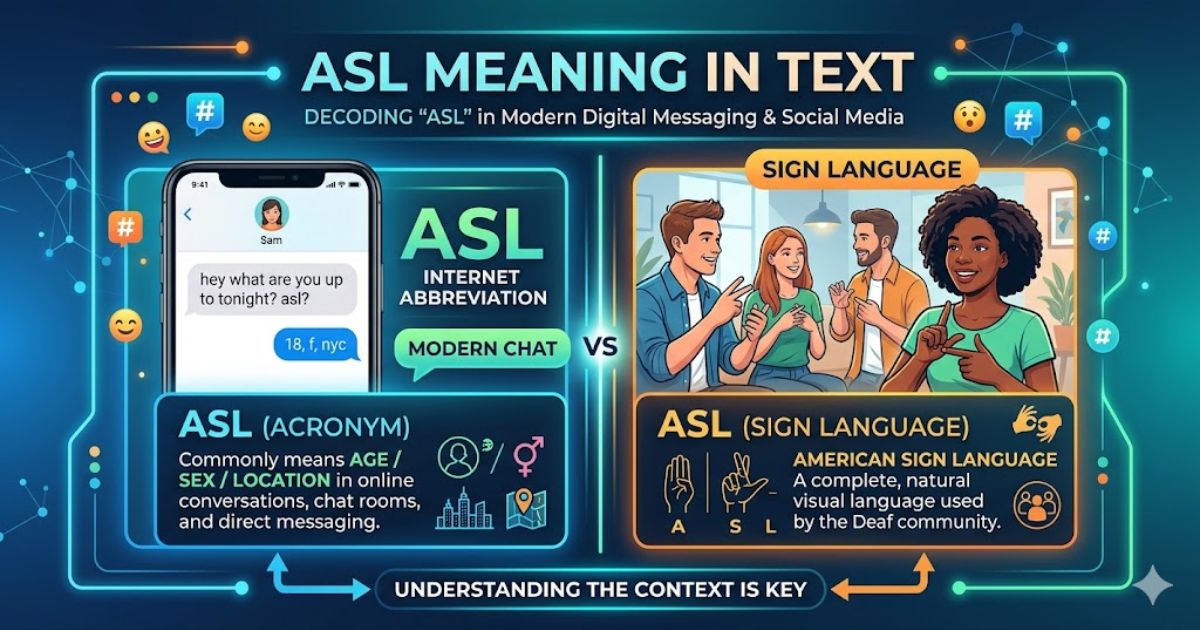
In most modern texting contexts, ASL stands for “Age, Sex, Location.” It is a shorthand used to quickly ask someone for basic personal information during online conversations.
It originated in early internet chatrooms where users wanted fast introductions without typing long sentences. Today, it is still recognized, although its usage has become less common and more context-sensitive.
ASL Meaning Explained Simply 🧠
ASL is basically a shortcut question:
- How old are you?
- What is your gender?
- Where are you from?
Instead of asking all three questions separately, people used “ASL?” to keep conversations short and direct.
However, in modern usage, it can sometimes appear outdated or overly personal depending on the platform.
Origin of ASL Slang 📜
ASL dates back to early internet chatrooms in the 1990s and early 2000s. Platforms like IRC (Internet Relay Chat) and early messaging forums popularized it.
At that time, conversations were fast-paced, and users relied heavily on abbreviations to communicate quickly. ASL became one of the most recognized shortcuts for introductions.
Different Meanings of ASL 🔄
Although the most common meaning is “Age, Sex, Location,” ASL can also mean:
- American Sign Language (in educational or accessibility contexts)
- “As Hell” (modern slang expression like “funny asl”)
Context is extremely important when interpreting it correctly.
ASL Usage Examples in Text ✍️
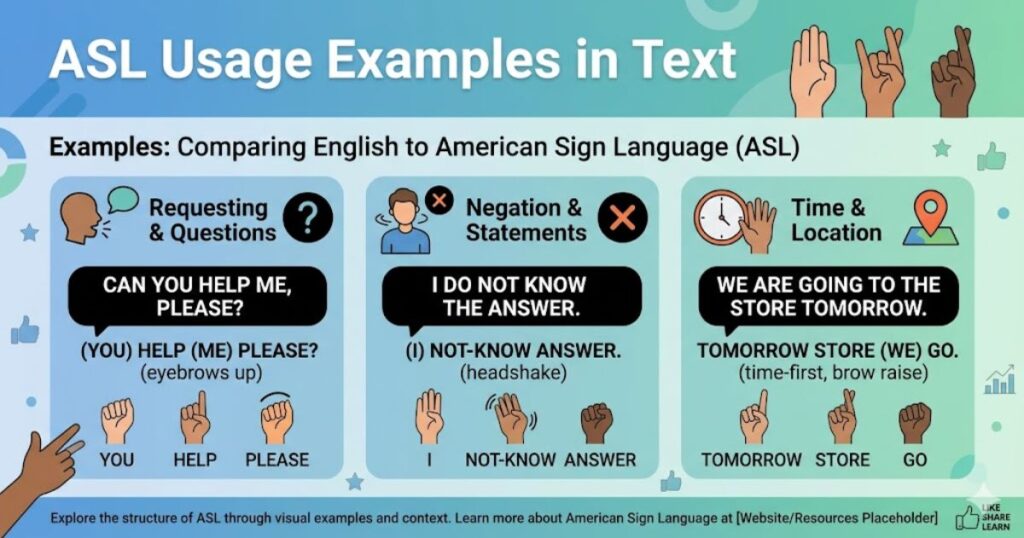
- “Hey, ASL?”
- “ASL before we chat more?”
- “Funny asl 😂”
- “She is cute asl”
- “I’m learning ASL in class”
Each example shows how meaning changes based on context.
Read More: SFS Meaning in Text Simple Explanation 2026!
How to Reply to ASL 💬
Your response depends on comfort level and context:
- “18 / Male / USA” (if you choose to share)
- “I prefer not to share personal info”
- “Why do you ask?”
- “Just here to chat casually”
You are never obligated to answer personal questions online.
Is ASL Safe to Answer? 🔐
It can be safe in casual, trusted conversations, but it becomes risky in random or unknown chats.
Sharing age, gender, and location with strangers can lead to privacy concerns, so caution is always recommended.
ASL vs Similar Slang ⚖️
- ASL → Age, Sex, Location
- A/S/L → Same meaning, older formatting
- HMU → “Hit me up” (different intent)
- WYD → “What you doing” (casual check-in)
ASL is more personal compared to most modern slang terms.
ASL in Modern Social Media 📱
Today, ASL is less common in mainstream apps like Instagram or TikTok but still appears in:
- Chat-based platforms
- Anonymous forums
- Gaming communities
- Older internet spaces
Younger users often prefer less direct or more playful slang instead.
Read More: ASF Meaning in Text What It Really Means Viral 2026!
When Should You Use ASL? ⏰
- In casual online introductions (rare today)
- When chatting in older forums or chatrooms
- For educational discussions about slang
- In historical or internet culture contexts
Avoid using it in professional or formal communication.
Do’s and Don’ts of Using ASL ✅❌
Do’s
- Use it in casual or nostalgic internet spaces
- Understand context before replying
- Be mindful of privacy
Don’ts
- Don’t share personal info with strangers
- Don’t use it in professional chats
- Don’t assume everyone understands it
Why ASL Still Matters Today 🌍
Even though it’s older slang, ASL still matters because it reflects how internet language evolved. It shows how early users shaped modern digital communication through shortcuts and abbreviations.
It also helps people understand older chats, forums, and online culture history.
Related Slang You May Like 🔎
- WYD (What you doing)
- IDK (I don’t know)
- BRB (Be right back)
- LOL (Laugh out loud)
- HMU (Hit me up)
FAQs:
What is the main ASL meaning in text?
It usually means Age, Sex, Location.
Does ASL always mean Age, Sex, Location?
No, it can also mean American Sign Language or “as hell” in slang.
Is ASL outdated slang?
Yes, it is considered older internet slang but still appears in some chats.
Should I answer ASL?
Only if you feel safe and comfortable sharing personal information.
Is ASL safe for teens?
It depends on context, but teens should avoid sharing personal details with strangers.
Conclusion:
ASL is a simple abbreviation with a long internet history, but its meaning can vary depending on context. While it once served as a quick introduction tool, today it is more about understanding digital culture than actively using it.
Knowing the ASL meaning in text helps you recognize intent, protect your privacy, and stay aware of how online communication has evolved over time.
